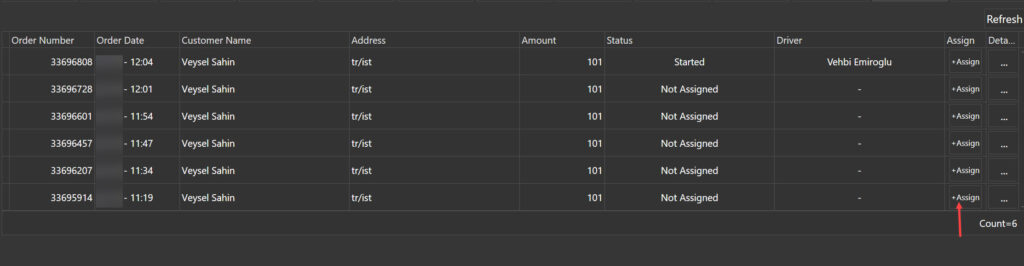

6.44. Shipday Integration
In this document it will be explained how to handle Shipday Integration on SambaPOS.
1. Before Installation
1.1. Hardware, Operating System and SambaPOS Requirements
- Windows 10 or above Windows Operating System,
- The latest version of Microsoft SQL Server,
- SambaPOS 5.7.22 or above version. Should be started with these configurations.
1.2. About Shipday Integration License
You need to purchase a license by using SambaPOS CP website.
Important Note:
Your Shipday Integration License and SambaPOS V5 Pro license have to be defined under the same email address on our CP website.
2. Windows Server Settings
2.1. Server Features
Server Operating System: Windows 10 or higher Operating System and the latest version of Microsoft SQL Server
Server Hardware: Minimum Intel i5 10th Gen CPU, 8 GB of Ram, 120 GB or higher SSD Harddisk
2.2. Database Features
Latest Microsoft® SQL Server® Express With Management
SQL Server Download Link
SQL Server Setup Document Link
2.3. Windows Firewall Settings
You need to configure your firewall services as explained in the SQL Server Setup document.
Note: If you don’t have MSSQL database, please visit the link to configure settings
https://kb.sambapos.com/2-1-3-sql-express-server-setup/?lang=en
Control Panel > System and Security > Windows Firewall > Turn Windows Firewall on or off > Turn off Windows Firewall for Private Network Settings and Public Network Settings
2.4. MSSQL TCP/IP Ports
Go to SQL Server Configuration Manager and “Enable” TCP/IP Sharing to connect MSSQL Database from clients.
– Right Click My Computer > Manage > Services and Applications > SQL Server Configuration Manager > SQL Server Network Configuration > Protocol For MSSQLSERVER > TCPIP > Enabled
3. Getting API Key on shipday.com
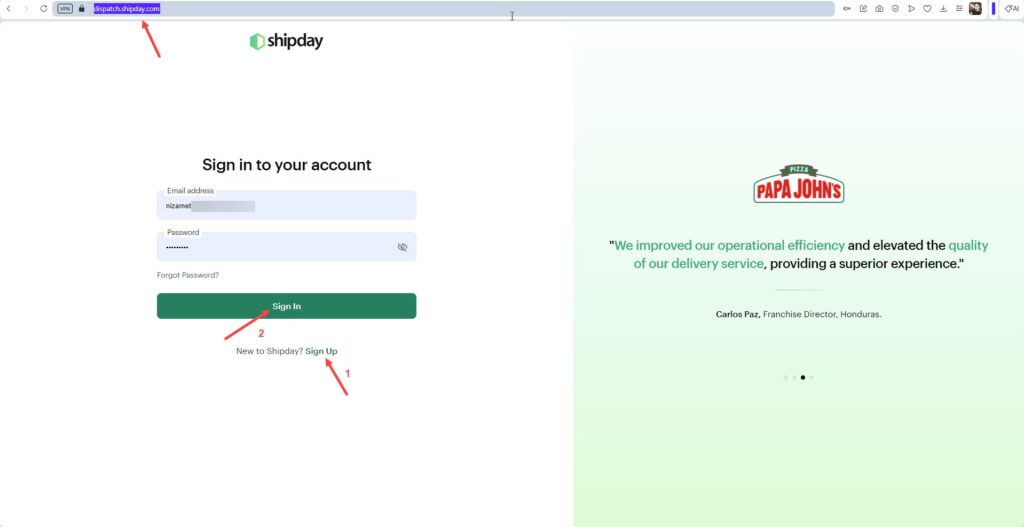
Sign In and Login with your credentials on https://dispatch.shipday.com
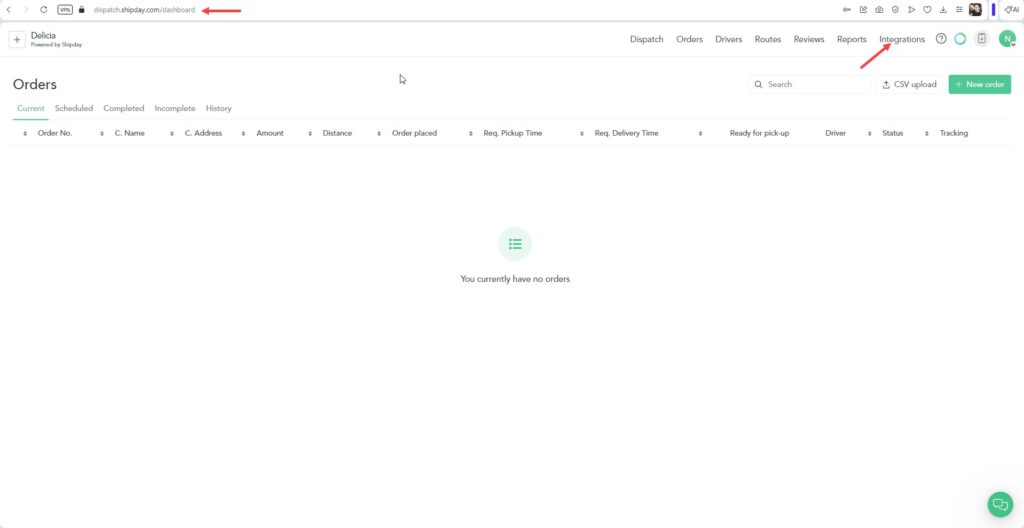
After login click on Integrations section;
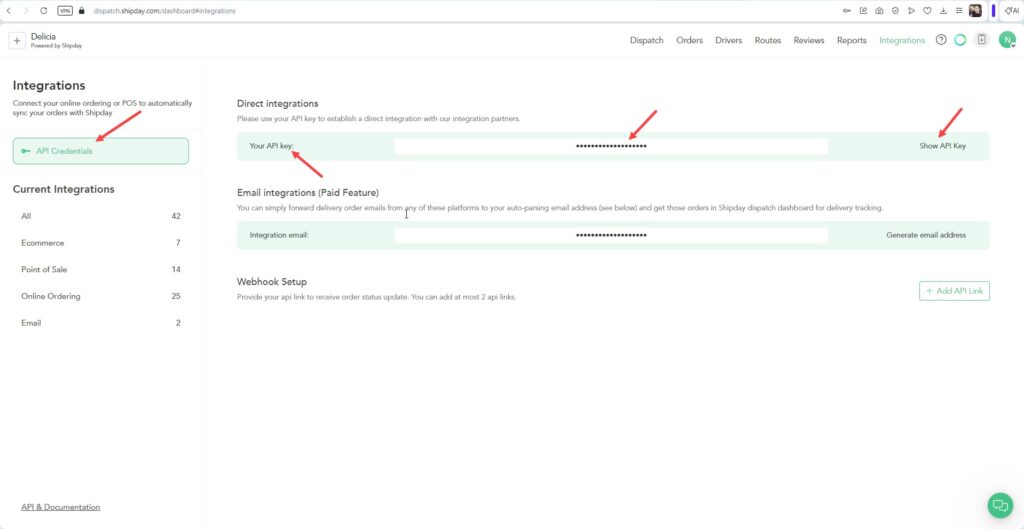
After you click on Integrations button you will see the below screen, in here you can see your API Key that you will use in SambaPOS Settings part;
4. Determining Merchant Type on Shipday Panel
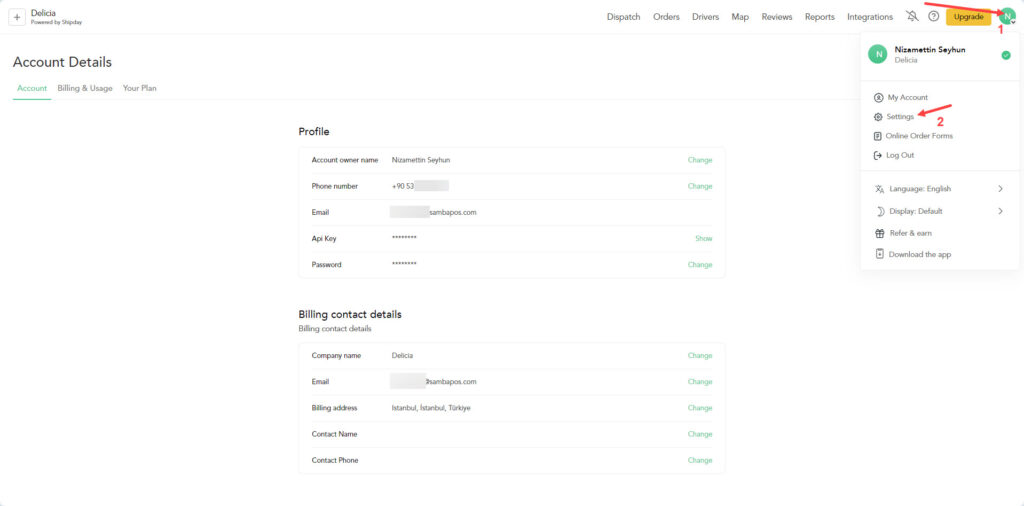
On https://dispatch.shipday.com/dashboard screen click on your Profile from the top right corner of the screen and then click on Settings;
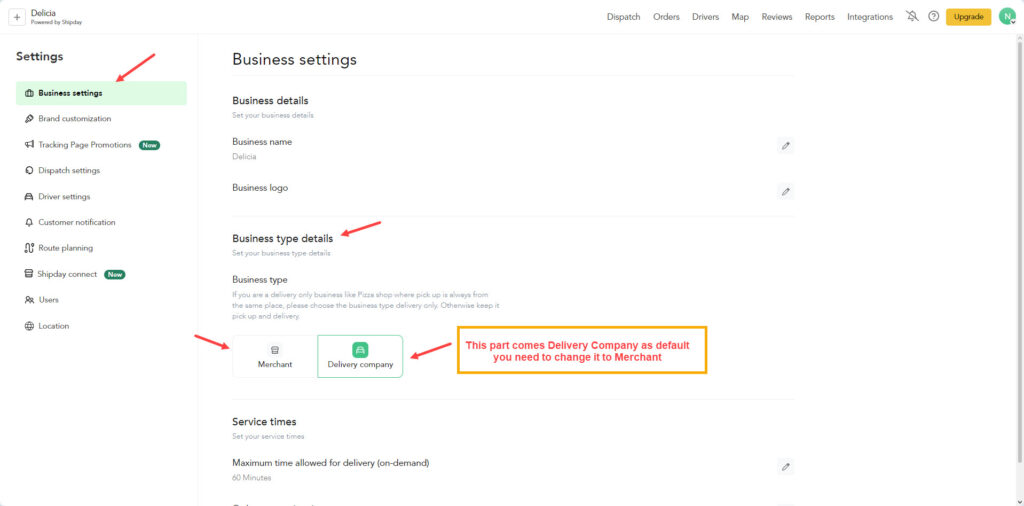
On the Settings Screen the Business Type Details part comes as Delivery Company as default therefore you need to change it to Merchant;
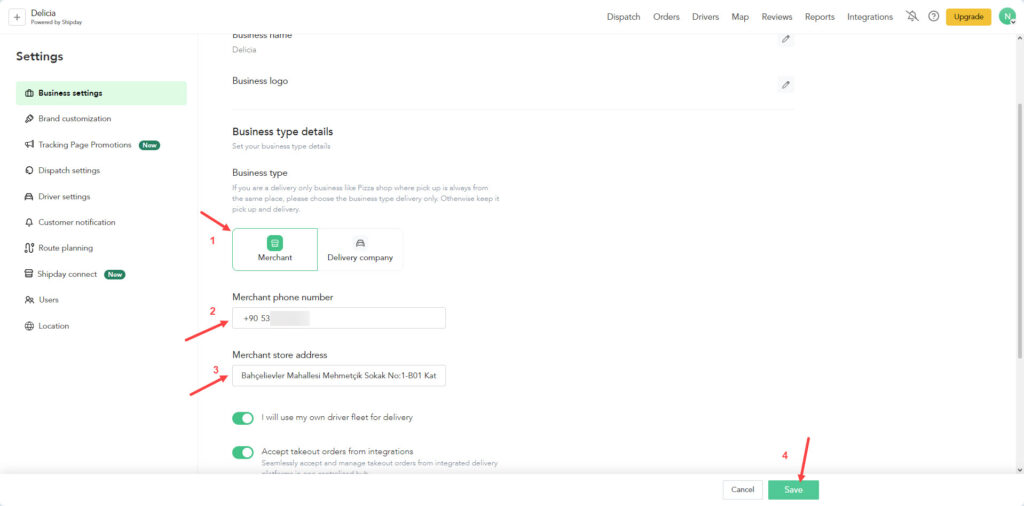
After changing it to Merchant you need to fill the required fields and click on Save button;
5. SambaPOS License Check and Message Server Settings
5.1. SambaPOS License Activation Check
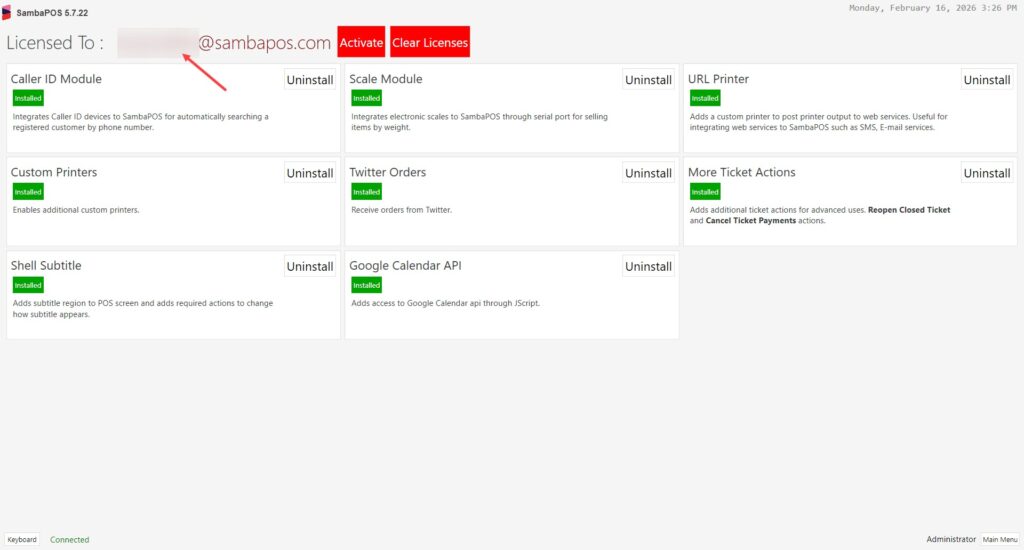
Check the SambaPOS Main License status.
5.2. Message Server Settings
5.2.1. SambaPOS Message Server Controls and Settings
Online Order Module uses SambaPOS Message Server for communication. You might be using SambaPOS Message Server with default settings. If you don’t use Message Server or if using it with different settings than default in this case you have to configure necessary settings by following below explanations.
To configure Message Server Settings, execute “Samba.MessagingServerServiceTool.exe” file which is located in the directory that SambaPOS is installed.
Port: 9000+
Note: Port has to be 9000+ By checking image below you can see how it is supposed to be simply configured and also notice that it has to be on Start status.
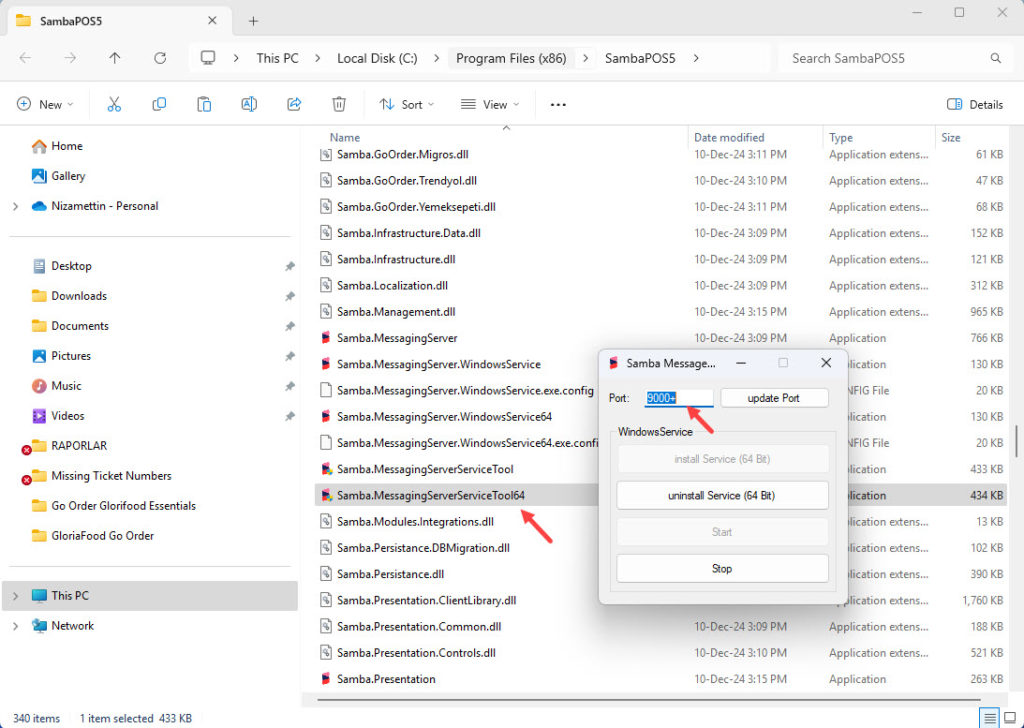
5.2.2. SambaPOS Manage Message Server Settings
Message Server settings are supposed to be configured also in SambaPOS by following the settings above. Go to Manage > Settings > Local Settings > Message Server, in here perform the mentioned settings and click on SAVE button.
Message Server Name: http://main_computer_name (Name of SambaPOS V5 installed main computer)
or http://123.123.123.123 (IP address of SambaPOS V5 installed computer)
Message Server Port: 9000
Auto Start Message Client: [X] (Has to be selected)
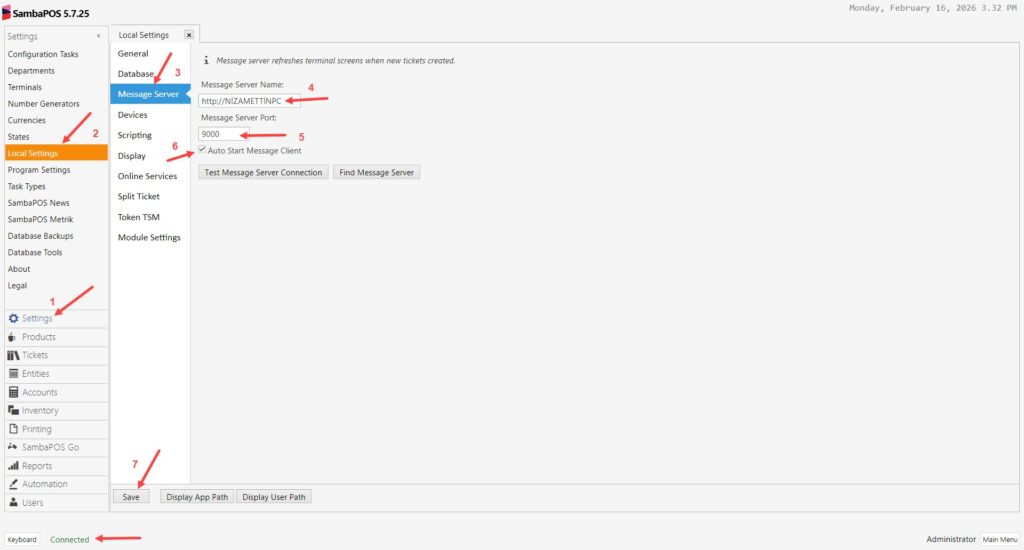
After completing necessary editings, click on Save buton.
6. Creating Custom Field for Customers Entity Type on SambaPOS
Main Menu > Manage > Entities > Entity Types > Customers > Custom Fields > Here, click on Add Custom Field and name it as Email.
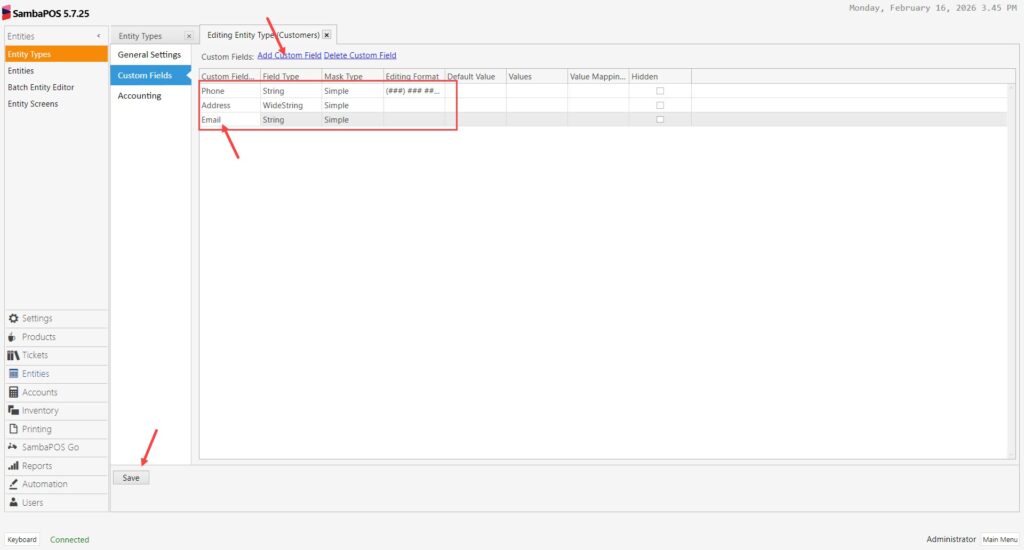
After completing necessary editings, click on Save buton.
7. SambaPOS Shipday Settings
Main Menu > Manage > SambaPOS Go > Shipday > Shipday Settings section;
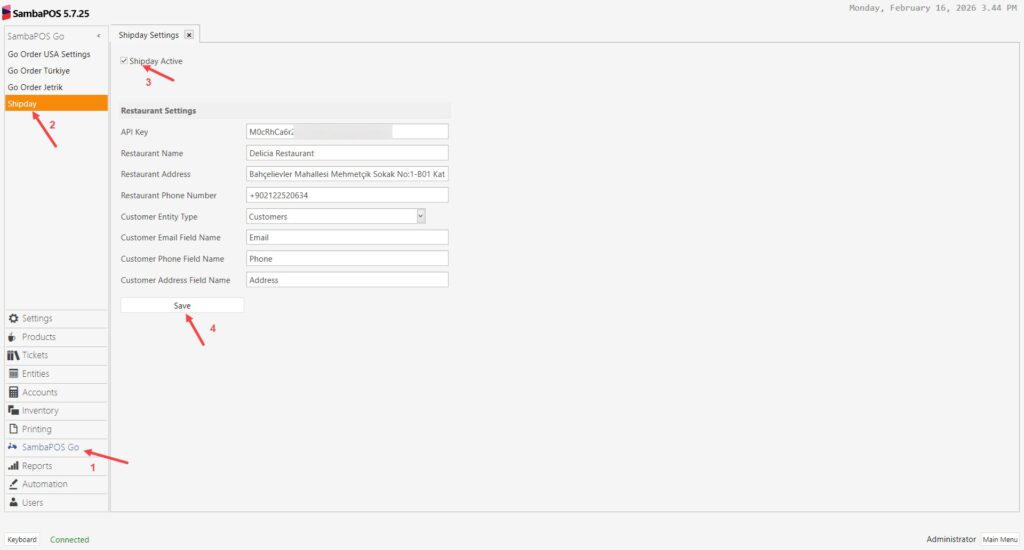
API Key: Enter the key that you get from Step3.
Insert the details as shown in the image accordingly.
After completing necessary editings, click on Save buton.
8. Adding Send to Shipday Automation Command
Main Menu > Manage > Automations > Automation Commands > Here, click on Add Automation Command.
General Settings Section;
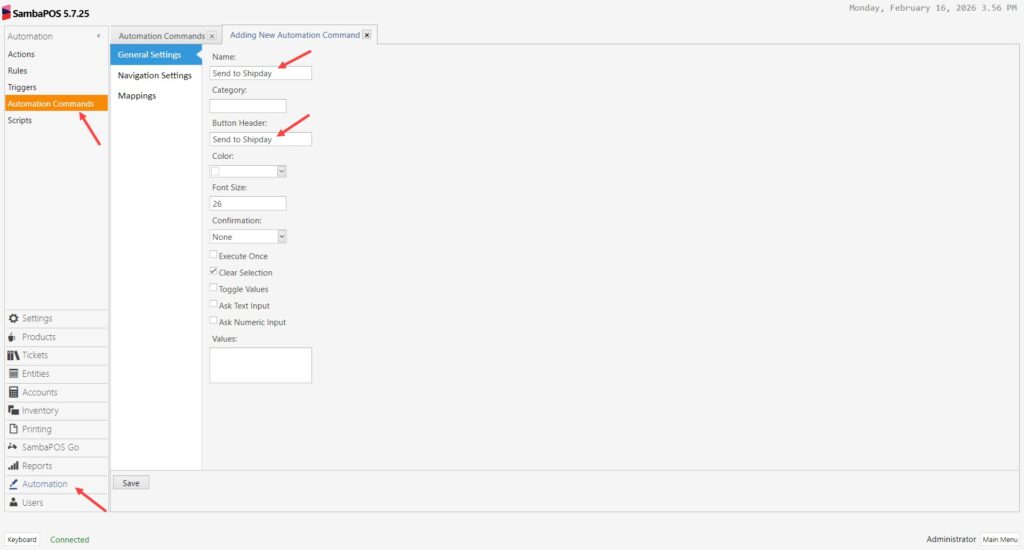
Name: Send to Shipday
Button Header: Send to Shipday
Mappings Section;
In here add a line by clicking on Add button.
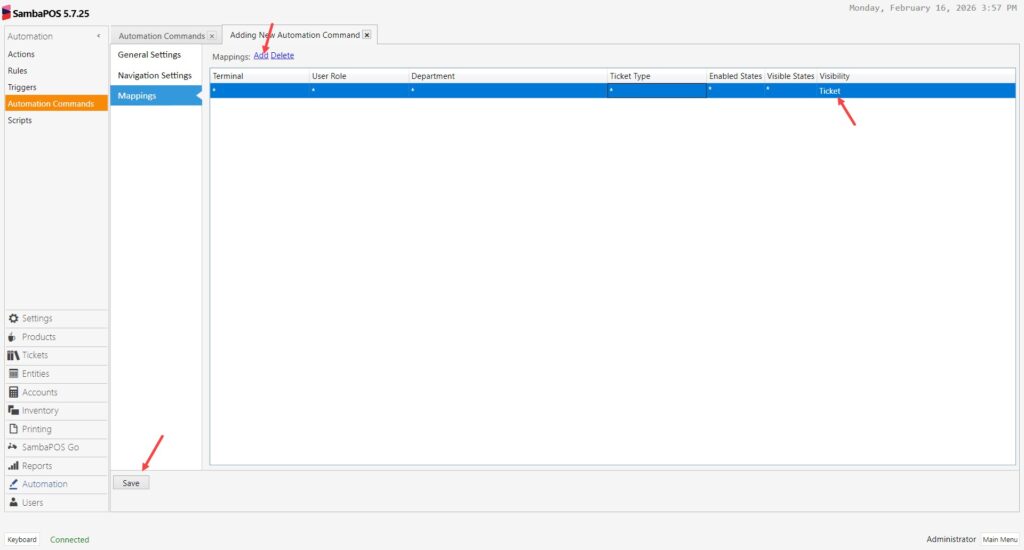
After completing necessary editings, click on Save buton.
9. Adding Send to Shipday Action
Main Menu > Manage > Automations > Actions > Here, click on Add Action.
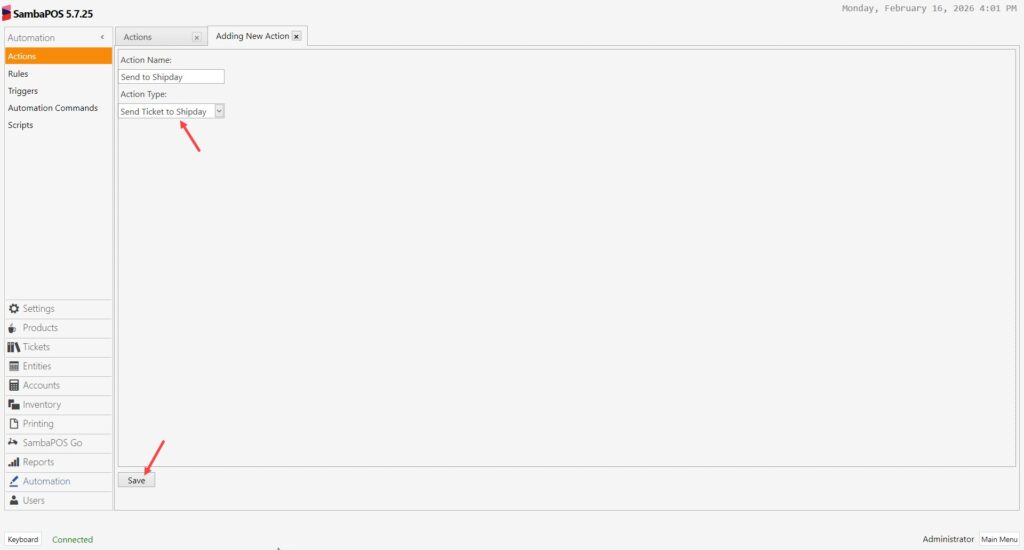
Action Name: Send to Shipday
Action Type: Send Ticket to Shipday
After completing necessary editings, click on Save buton.
10. Adding Send to Shipday Rule
Main Menu > Manage > Automations > Rules > Here, click on Add Rule.
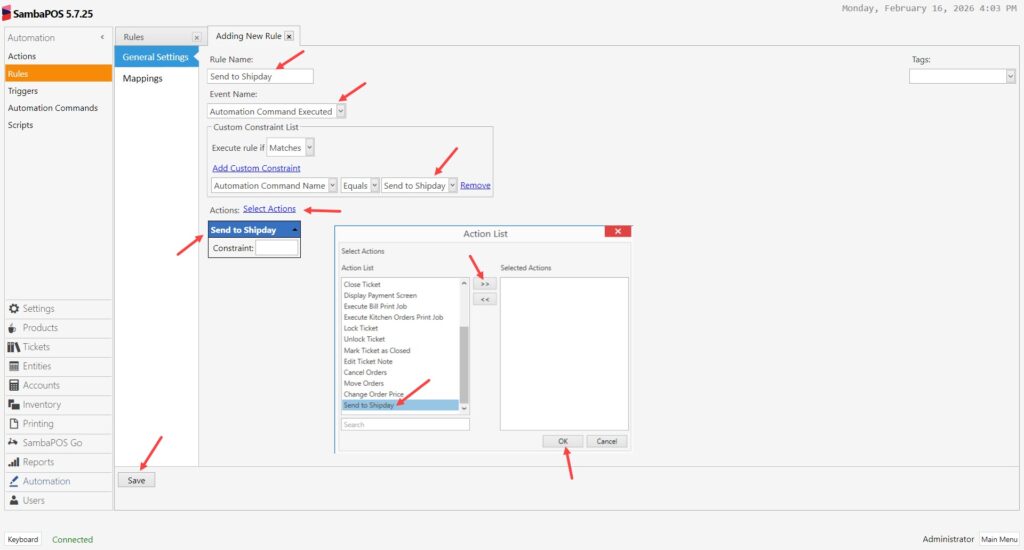
Rule Name: Send to Shipday
Event Name: Automation Command Executed
Execute Rule If: Matches
Add Custom Constraint:
Automation Command Name|Equals|Send to Shipday
Select Actions;
Click on Select Action button and add Send to Shipday Action into the rule.
After completing necessary editings, click on Save buton.
11. Adding Shipday Entity Screen
Main Menu > Manage > Entities > Entity Screens > Here, click on Add Entity Screen button.
General Settings Section;
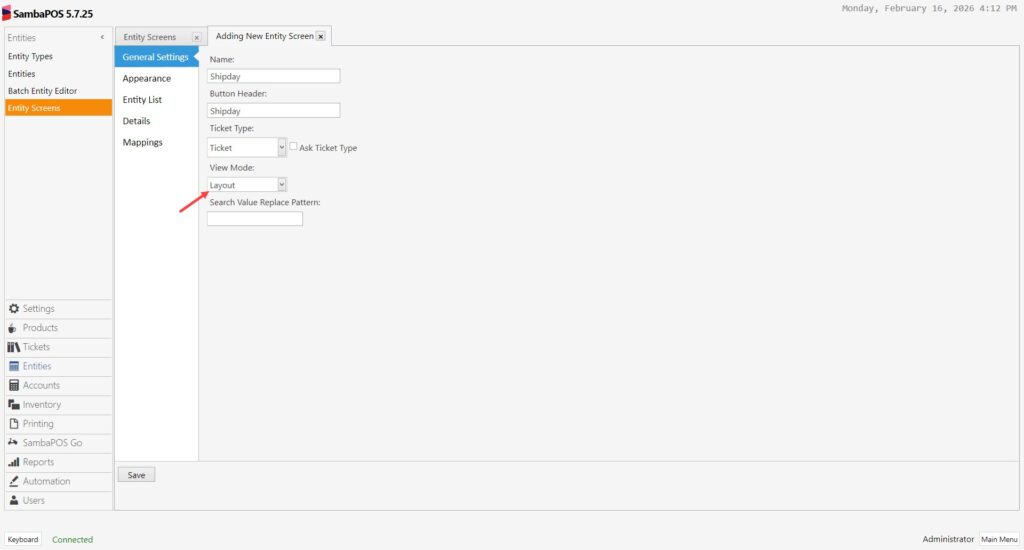
Name: Shipday
Button Header: Shipday
View Mode: Layout
Mappings Section;
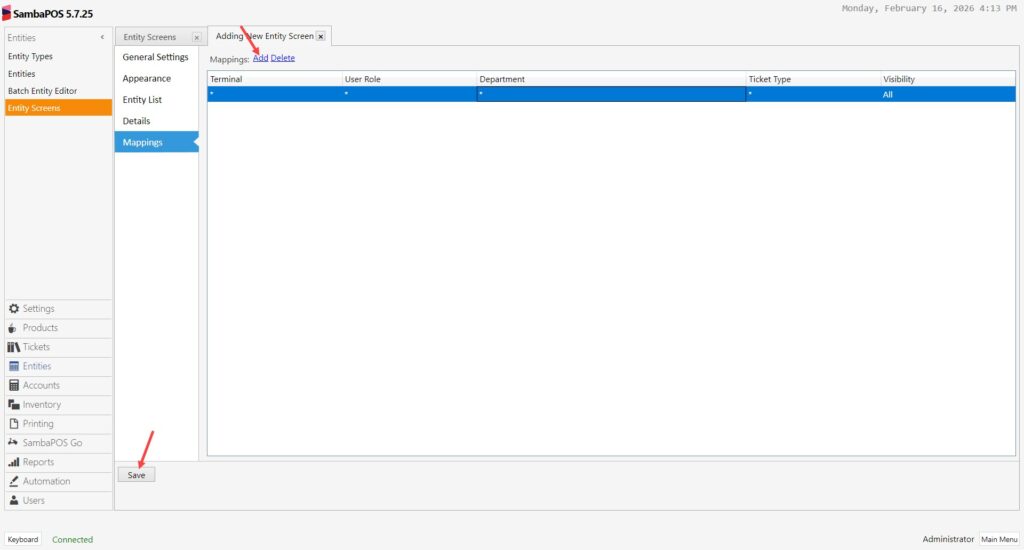
In here add a line by clicking on Add button.
After completing necessary editings, click on Save buton.
12. Editing Shipday Entity Screen
Main Menu > POS > Shipday > In here, activate Design Mode by right clicking mouse and add Shipday Explorer Widget as shown in the below video file;